Catnip Safety and Uses: What's Fine, What to Skip, and How Often to Offer It
Updated 2026-08-04 · HappyPawPicks Editorial
HappyPawPicks is reader-supported. Some of our recommendations include affiliate links. If you buy through them, we may earn a commission — at no extra cost to you. As an Amazon Associate I earn from qualifying purchases. Our editorial process is independent and never influenced by commissions.
What catnip actually is
Catnip (Nepeta cataria) is a leafy herb in the mint family. The part that affects cats is an oil called nepetalactone, found on the leaves and stems. When a cat sniffs it, that oil binds to scent receptors and sends signals to the brain’s emotional centers — producing the familiar zoomies, rolling, and cheek-rubbing in cats who respond.
Here’s the key fact most people miss: only about 50–70% of cats respond at all. Sensitivity is inherited, so if your cat blankly walks away from a fresh bag, they simply don’t have the gene — not a problem, just genetics. Big cats like lions and tigers respond too, which tells you the trait is hardwired deep in feline biology.
Is catnip safe? Yes — with two caveats
For the overwhelming majority of cats, catnip is safe and non-toxic. A fatal overdose is essentially impossible because cats self-regulate: they get what they want from a sniff or a chew, then walk away. The ASPCA lists catnip as non-toxic, and the Cornell Feline Health Center covers feline behavior and enrichment from a veterinary standpoint.
The two real caveats:
- Too much eaten = upset stomach. A cat can’t be poisoned by catnip, but consuming a large pile of dried plant matter can cause mild vomiting or diarrhea. That’s the fiber, not toxicity. A pinch or about a tablespoon per session is plenty.
- Overuse = desensitization. Daily exposure makes the effect fade. Once or twice a week keeps it special.
Who should skip catnip
A few cats are better off without it:
- Pregnant cats — nepetalactone may act as a uterine stimulant, so most vets advise skipping it during pregnancy.
- Cats with epilepsy or a seizure history — catnip has been associated with lowered seizure thresholds in some animals; avoid or use with veterinary guidance.
- Cats that get aggressive — if catnip triggers play-aggression (biting, swatting), switch to the eating method (which is sedating) or stop using it.
When in doubt, the VCA Hospitals feline resources are a solid place to confirm specifics with your own vet’s guidance.
How to use it (the good ways)
Catnip is one of the cheapest enrichment tools you own, and it earns its place by preventing boredom:
- On the scratching post. Rub a pinch into the post to make it more appealing than the sofa — a trick that pairs well with our best cat scratchers.
- In the carrier before a vet trip. A little in the carrier can take the edge off travel stress.
- As a play booster. Sprinkle on a toy or bedding to get a sedentary cat moving — useful for indoor cats who need the exercise.
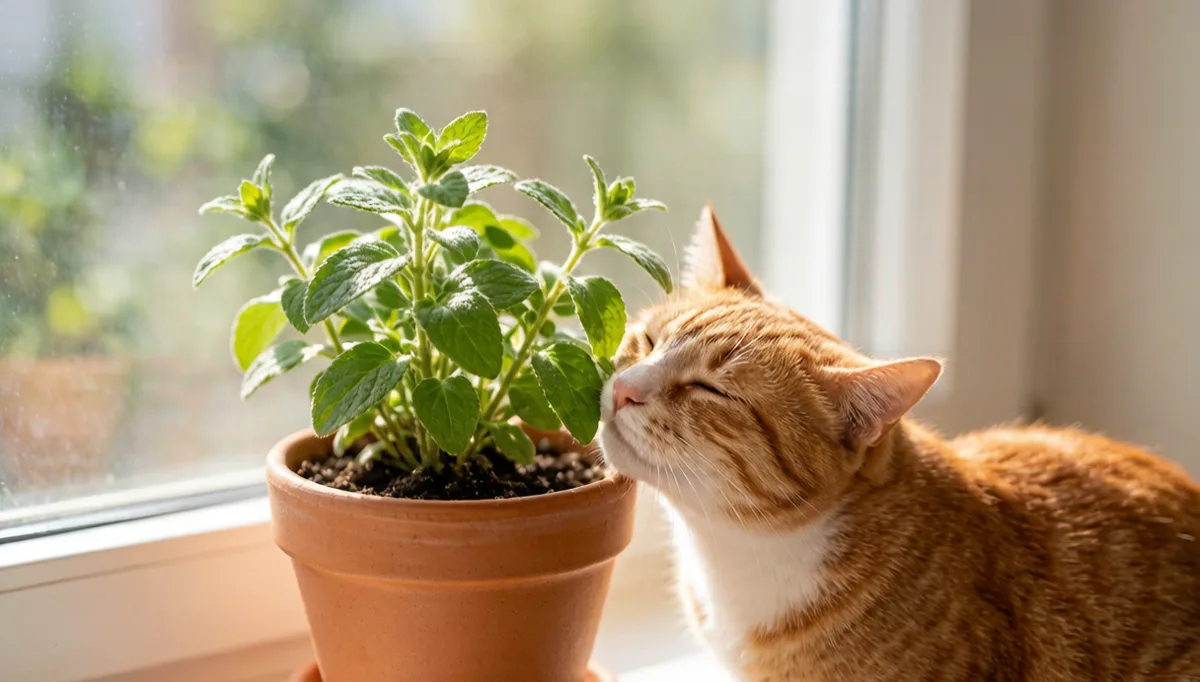
- Grown fresh. A windowsill catnip plant gives your cat something safe to nibble; just keep it out of reach of kittens so you control the amount.
Sniffing vs. eating: two different effects
Catnip is unusual because it acts as two different things depending on how it enters the body:
- Smelling it → stimulant. Hyperactivity, zooming, rolling.
- Eating it → sedative. Mellowing out, quiet purring, a nap.
If your cat gets too wired from sniffing, offering it inside a toy (so they chew rather than just inhale) often produces the calmer version.
Alternatives when catnip does nothing
If your cat is in the non-responder group, two natural alternatives work through different receptors:
- Silvervine (Actinidia polygama) — often more potent than catnip; many catnip-immune cats go wild for it.
- Valerian root — a musky scent that stimulates even catnip-resistant cats.
Both are safe cat enrichment options and worth a try before you give up on plant-based play.
Storage: keep it in the freezer
The active oils evaporate with air and light, so dried catnip loses potency over time. An airtight container in the freezer keeps it strong for a year or more. If your cat suddenly ignores catnip that used to excite them, stale herb — not a changed cat — is usually the reason.
Bottom line
Catnip is a safe, non-toxic, and genuinely useful enrichment tool for most cats. Use a pinch, once or twice a week, skip it for pregnant or epileptic cats, and don’t expect kittens under six months to care yet. For the rest of your cat’s setup, see our best cat trees for climbing enrichment and best cat food for everyday nutrition.
FAQ
- Q: Is catnip safe for cats? A: Yes — it’s non-toxic, and a fatal overdose is essentially impossible because cats self-regulate. The response comes from nepetalactone oil in the leaves.
- Q: Can cats have too much catnip? A: They can’t be poisoned, but eating a large amount of dried plant can cause mild vomiting or diarrhea from the fiber. Keep it to a pinch per session.
- Q: Can kittens have catnip? A: Kittens under 3–6 months usually don’t respond yet. It’s non-toxic, but there’s no point offering it, and you should supervise a small first dose.
- Q: Is catnip safe for dogs? A: It has no feline-style effect on dogs and may act as a mild sedative in small amounts, but it’s a cat tool — use dog-specific calming products instead.
- Q: How often should I give my cat catnip? A: Once or twice a week. The effect lasts 10–15 minutes, then a refractory period follows; daily use causes desensitization.
- Q: When should cats avoid catnip? A: Pregnant cats (uterine stimulant) and cats with epilepsy or seizure history. Also stop or switch methods if it triggers aggression.
Frequently asked questions
Is catnip safe for cats?
Yes. Catnip (Nepeta cataria) is a member of the mint family and is considered non-toxic to cats. The response comes from an oil called nepetalactone, which binds to scent receptors and triggers a short burst of playfulness or calm. A fatal overdose is effectively impossible because cats self-regulate and walk away when they've had enough.
Can cats have too much catnip?
They can't be poisoned by it, but eating a large amount of the dried plant can cause mild vomiting or diarrhea from the fiber, not from toxicity. Keep sessions to a pinch or about a tablespoon of dried herb, and remove the catnip if your cat shows an upset stomach. The bigger risk with overuse is desensitization — daily exposure makes the effect wear off.
Can kittens have catnip?
Kittens under about 3 to 6 months usually don't respond at all because they haven't reached the neurological maturity that makes them sensitive to it. It's non-toxic, so a young kitten who gets into a small amount is fine, but there's no point offering it yet. When you do start, give a very small amount and supervise, since kittens have less self-control than adults.
Is catnip safe for dogs?
Catnip has essentially no psychoactive effect on dogs — the opposite of cats. In small amounts it may act as a mild sedative and is sometimes used to calm dogs during storms or car rides. It isn't toxic, but dog-specific calming products are a better fit; catnip is really a cat enrichment tool, not a dog one.
How often should I give my cat catnip?
Once or twice a week is the common recommendation. The euphoric effect lasts only about 10 to 15 minutes, followed by a refractory period of roughly 30 minutes to 2 hours when the cat won't respond. Daily use leads to desensitization, so treat it as a special enrichment session rather than an everyday sprinkle.
When should cats avoid catnip?
Skip it for pregnant cats — nepetalactone may act as a uterine stimulant. Use caution or avoid it for cats with a known seizure disorder or epilepsy, since catnip has been associated with lowered seizure thresholds in some animals. And if a cat gets aggressively overstimulated on catnip, switch to the eating method (which is sedating) or stop using it.
References: Cornell Feline Health Center, ASPCA Animal Poison Control, VCA Animal Hospitals .