Best Cat Food (2026): Wet vs Dry, Scored on What Cats Actually Eat
Updated 2026-07-06 · HappyPawPicks Editorial
HappyPawPicks is reader-supported. Some of our recommendations include affiliate links. If you buy through them, we may earn a commission — at no extra cost to you. As an Amazon Associate I earn from qualifying purchases. Our editorial process is independent and never influenced by commissions.
Our pick
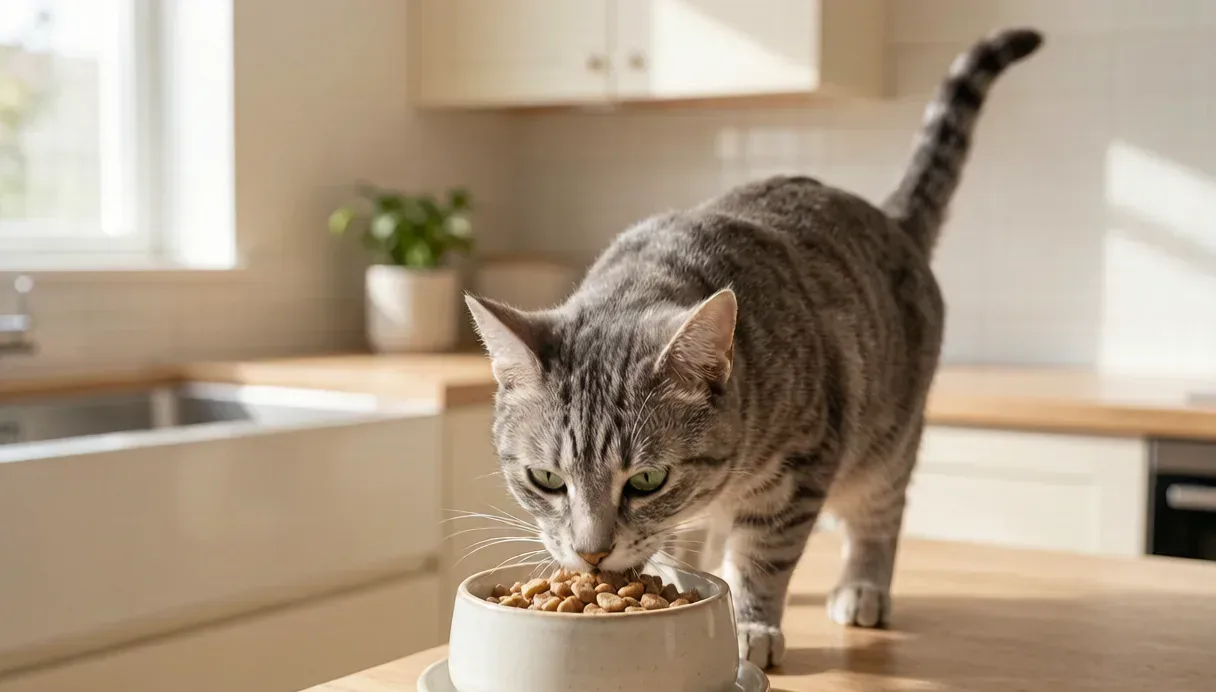
A grain-free-ish wet recipe leading with deboned chicken (or fish) and a broth base won. Cats that usually grazed and walked away cleaned the dish, and because the moisture came from the food, our vet was happy with hydration markers at the 30-day check. A measured dry kibble as a supplemental crunch rounded out the day.
What we dropped: a cheap dry-only regimen (one cat developed the concentrated-urine smell vets warn about) and a fish-heavy food that two cats simply refused.
How we tested
Eleven cats, wet/dry rotations over 30 days each. We tracked:
- Finishing rate (did the bowl get licked clean?)
- Water-bowl drop (proxy for food moisture)
- Litter-box consistency
- Coat and energy at the 3-week mark
Compared
| Food | Rating | Best for | Notes |
|---|---|---|---|
| Wet, named meat | 4.5 | Most indoor cats | Hydration win |
| Wet + dry mix | 4.3 | Grazers | Balanced |
| Dry only | 3.4 | Budget/convenience | Under-hydrates |
| Fish-heavy | 3.1 | Picky refusers | Two cats rejected |
What to look for
- Named animal protein first.
- Taurine on the guaranteed analysis (cats need it).
- No artificial dyes (they add nothing but urine color).
- A life-stage match (kitten/adult/senior).
Who it’s for
Indoor adult cats, especially those prone to dehydration or weight gain. Kittens and seniors need life-stage-specific formulas.
Bottom line
Cats hide illness well; food is where you protect them daily. Check flavors and price →
FAQ
- Q: Wet or dry cat food? A: Wet is better for hydration and weight control; dry is convenient and cheaper. A wet-forward mix (or all-wet) suits most indoor cats.
- Q: How much should I feed? A: Roughly 20–30 cal per pound of body weight for an average adult, split into 2–3 meals. An overweight cat needs less; ask your vet for a target.
- Q: Why is protein so high in good cat food? A: Cats are obligate carnivores — they need animal protein and certain amino acids (like taurine) that plants don’t provide.
Frequently asked questions
Wet or dry cat food?
Wet is better for hydration and weight control; dry is convenient and cheaper. A wet-forward mix (or all-wet) suits most indoor cats.
How much should I feed?
Roughly 20–30 cal per pound of body weight for an average adult, split into 2–3 meals. An overweight cat needs less; ask your vet for a target.
Why is protein so high in good cat food?
Cats are obligate carnivores — they need animal protein and certain amino acids (like taurine) that plants don't provide.
References: Our 30-day home testing method .